
How Retailers Can Cut POS Waste by 25% Without Compromising Brand Impact
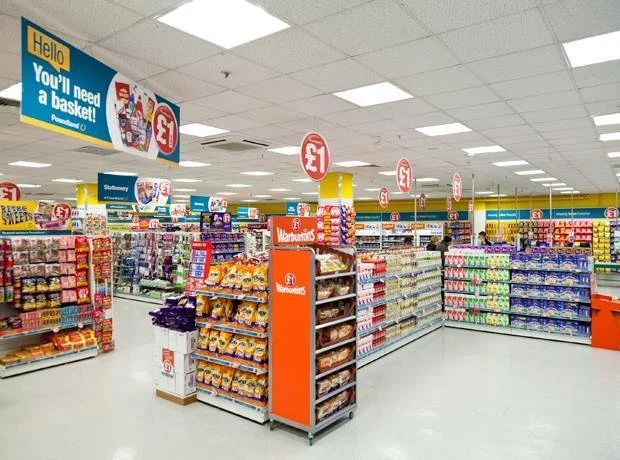
Point-of-sale (POS) materials are a vital part of retail marketing, from shelf talkers to window displays. Yet, for many retailers, they are also a hidden drain on both budget and sustainability targets. Overproduction, inefficient stock management, and outdated workflows can quietly add up.
The good news? With a strategic approach, it’s possible to reduce POS waste by up to 25%, freeing budget and improving operational efficiency. Here’s how:
1. Optimise Ordering and Inventory
Over-ordering is one of the most common causes of POS waste. Too many printed materials end up unused or obsolete, especially when promotions change or seasonal displays rotate.
How to fix it:
Conduct a historical audit of POS usage to identify patterns and overproduction.
Implement a just-in-time (JIT) or demand-driven ordering system.
Centralise POS ordering to reduce duplicated stock across stores.
Speak to an expert today to see how our POS collation solutions can streamline your campaigns.
2. Streamline Design and Approval Workflows
Frequent design changes and multiple approvals can lead to unnecessary reprints. Each revision adds not just production costs but also potential material waste.
How to fix it:
Standardise templates for common POS formats.
Use modular designs that can be updated digitally instead of reprinting the entire item.
Introduce clear approval checkpoints to minimise last-minute changes.
Find out how our pre-built templates and approval system can help your retail budget for 2026.

3. Upgrade Production Technology
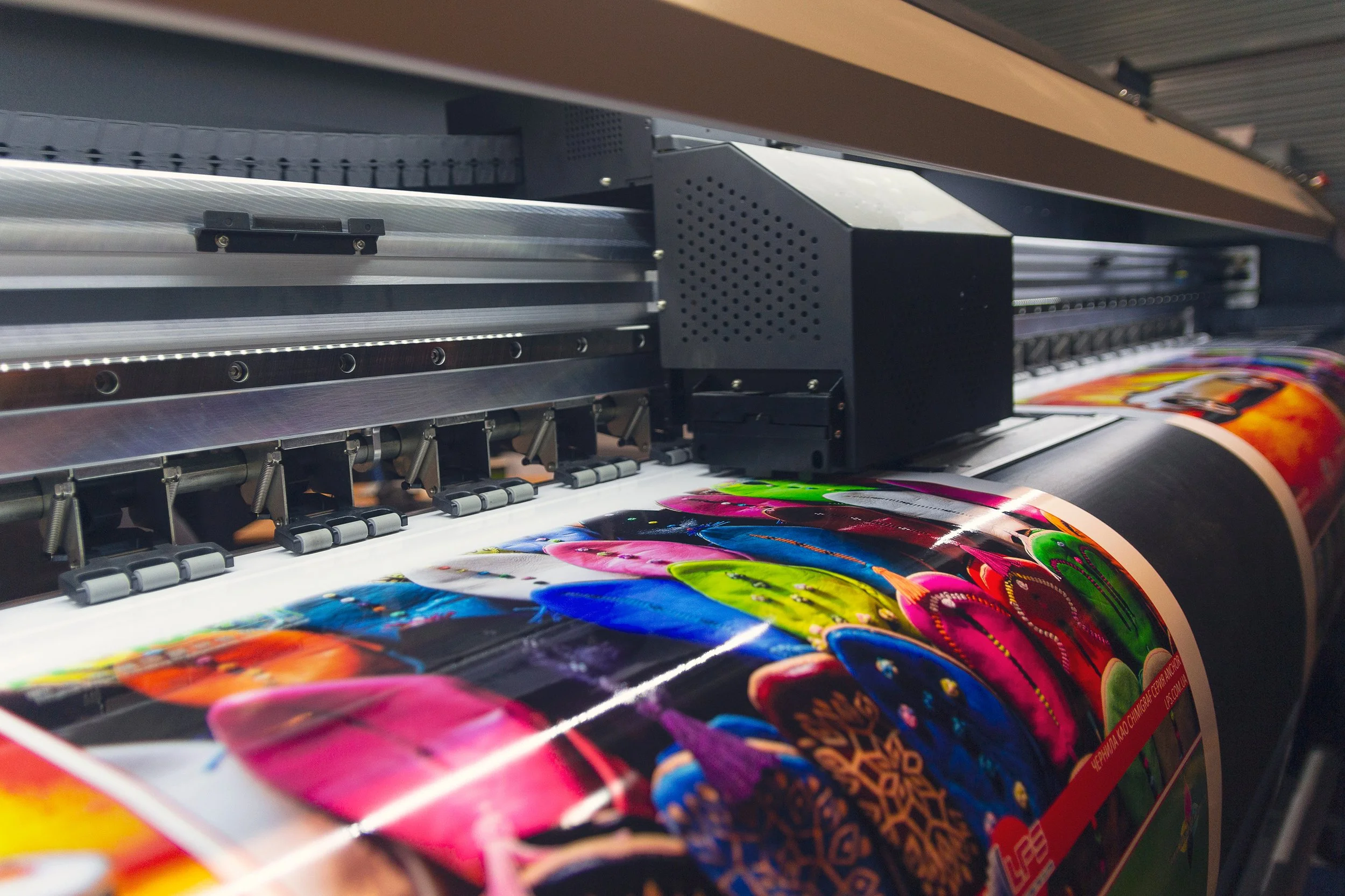
Older printing processes often result in misprints, colour inconsistencies, or oversized runs that never get used. These inefficiencies are costly in both materials and labour.
How to fix it:
Invest in modern wide-format printers with efficient ink and media usage.
Leverage digital printing for smaller, flexible runs instead of bulk orders.
Implement colour management software to reduce errors and reprints.
4. Rotate and Reuse Materials Where Possible
Many POS items are designed for single-use, but creative reuse can significantly cut waste.
How to fix it:
Use modular components that can be swapped instead of fully replaced.
Rotate POS items between stores for seasonal campaigns.
Recycle or upcycle materials when designs are updated.
You can read more about our sustainable practices here.
5. Track, Measure, and Adjust
Without accurate tracking, waste reduction is guesswork.
How to fix it:
Keep detailed logs of production volumes.
Calculate waste as a percentage of total POS spend to identify hotspots.
Review performance quarterly to ensure continuous improvement.
The Bottom Line
Reducing POS waste isn’t just about cutting costs; it also enhances brand consistency, improves operational efficiency, and supports sustainability initiatives. By combining smarter ordering, streamlined workflows, modern printing technology, and better tracking, retailers can realistically achieve up to 25% waste reduction, often in the first year alone.
Want to discover more of our services? Download our brochure here to see practical strategies in action.
💡 Plus: If you’d like a no-commitment review of your last POS campaign, we can provide a free audit to uncover hidden inefficiencies and potential savings.